Renegade coming 22nd August 2026 — Pre-order on Amazon!

Smoke and Mirrors: Why the "Division of Hate" is Fantasy’s Most Terrifyingly Real Trope
What do Game of Thrones, 1984, and Renegade have in common? A deep dive into the "Division of Hate" trope. See how fantasy authors use regional and racial conflict to mask the rise of tyrants like General Vortigen. C. Pintilie analyses systemic power and distraction in modern fiction.
C Pintilie
5/8/20263 min read
If you spend more than five minutes scrolling through a comment section or listening to the news, you’ll likely notice a recurring theme: we are all supposed to be very, very angry at our neighbours.
It often feels like we are living in a world designed to keep us at each other's throats. We argue over local squabbles, point fingers across borders, and draw lines in the sand based on where we were born or how we live. But as a fantasy author, whenever I see populations riled up into a frenzy against one another, I can’t help but look for the "man behind the curtain."
Because in storytelling, the "division of hate" isn't just a byproduct of society—it is a calculated weapon. It is the ultimate distraction. Keep the peasants fighting each other over scraps, and they’ll never notice the dark tower being built in the distance.
This theme is the bedrock of our most beloved speculative fiction. In George R.R. Martin’s A Song of Ice and Fire, the lords of Westeros bleed their kingdoms dry squabbling over a pointy iron chair, completely distracted from the apocalyptic threat marching down from the frozen North. In Suzanne Collins' The Hunger Games, the Capitol’s greatest weapon isn't the Peacekeepers; it’s the Arena itself, designed to keep the impoverished Districts divided, traumatized, and viewing each other as the enemy rather than their true oppressors. We see it in 1984, where perpetual, shifting wars with Eurasia and Eastasia are fabricated merely to keep the populace in a state of frightened obedience. We see it in Harry Potter, where the division between "Purebloods" and "Muggle-borns" is weaponised to usher in a fascist regime. Even in Tolkien’s The Lord of the Rings, Sauron’s greatest advantage is the historical mistrust between Elves, Dwarves, and Men.
As a writer, I am endlessly fascinated by how those in power use fear of the "Other" to consolidate control. It’s a theme that beats at the very heart of my novel, Renegade.


As a writer, I am endlessly fascinated by how those in power use fear of the "Other" to consolidate control. It’s a theme that beats at the very heart of my debt novel, Renegade (Book 1: The Legends of Iron Spine).
In the world of Orbis, the island was once a braided land—three realms, three cultures, but a single thriving ecosystem. But unity doesn't serve a tyrant. When the novel’s antagonist, General Vortigen, seizes power, he doesn't just do it with armies. He does it with whispers.
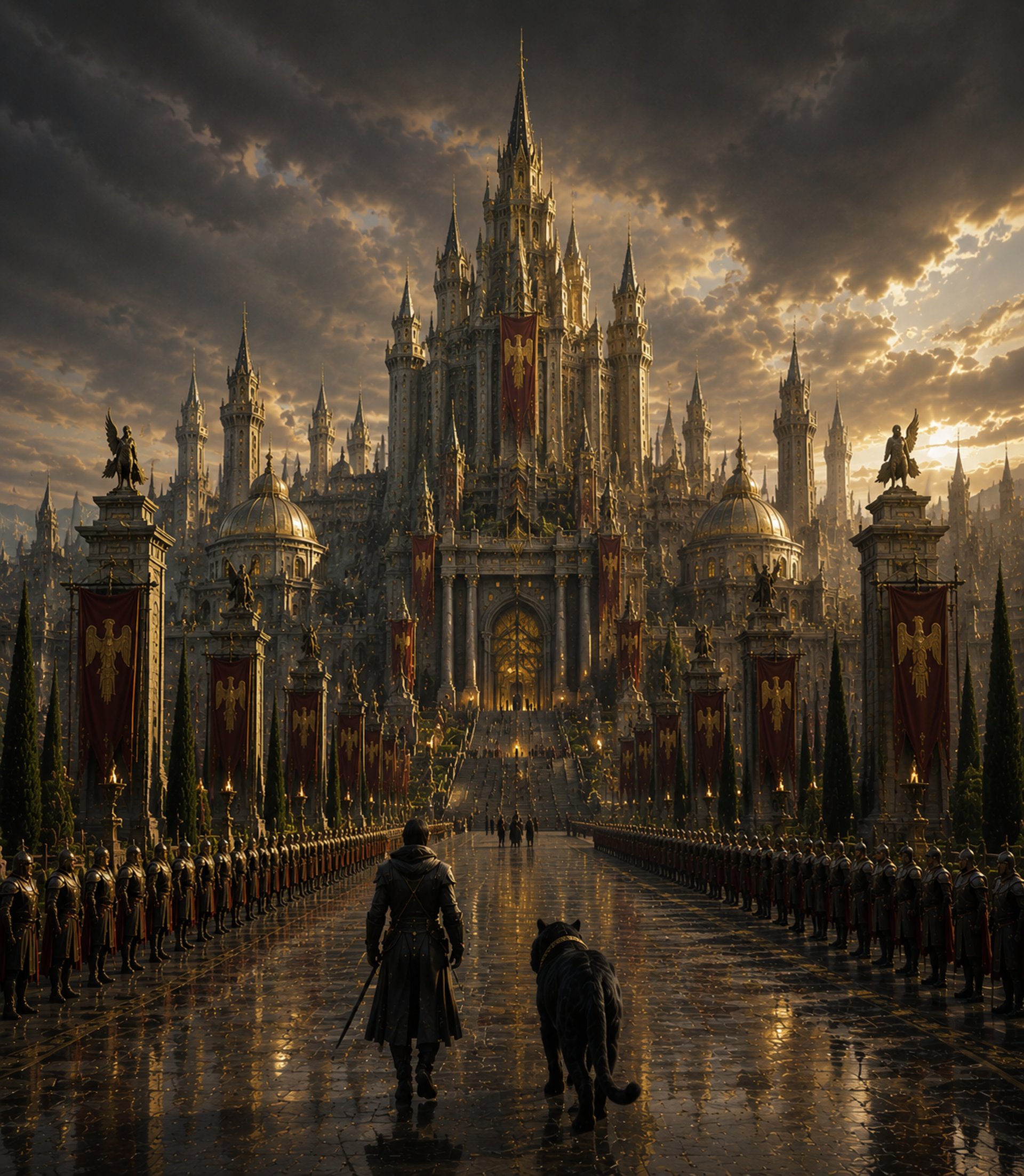
To build his monolithic Empire in the Midlands (Magnushire), Vortigen deliberately stokes the fires of prejudice. He turns the people against the "snow-skinned mystics" of the frozen North (Aksala) and the "sand-born shamans" of the Southern deserts (Solis). He criminalizes their ancient religions, brands their animist practices as "abominations," and locks them behind towering Iron Maws and Golden Gates.
As the old scholar Pelnor warns one of my protagonists in the book: “He sowed fear sold as safety and reaped an empire of silence... He whispered poison through parliaments and parishes alike.”
By convincing the Midlands that the Northern tribes and Southern desert-dwellers are barbaric threats, Vortigen justifies prison camps, forced labor, and the stripping of basic freedoms. The tragedy of Renegade isn't just that the characters suffer; it’s that the everyday citizens of Orbis allow it to happen, cheering at executions because they've been manipulated into believing it keeps them safe.
My protagonists—Chaëlle, a fierce Aksalan tribal warrior, and Will, a half-blood Solistan pilgrim caught between worlds—are forced to navigate a continent that has been taught to hate them on sight. Their greatest battle isn't just against the soldiers hunting them; it's against the systemic, deep-rooted prejudice that allows those soldiers to operate in the first place.
This is why I write fantasy. It isn't just about escaping into worlds of silver stags, shadow-cats, and ancient magic. It’s about holding up a mirror to our own world.
When we read about the Capitol, or the Death Eaters, or the Imperial guards of Magnushire, the warning is clear: hate is rarely an accident. It is almost always a distraction. And the moment we stop looking at each other as the enemy, the towers of the tyrants begin to crumble.