Renegade coming 22nd August 2026 — Pre-order on Amazon!


The Pavement Expressway: Why Street Litter is a High-Speed Hazard
Stop the "Expressway to the Ocean." Learn why street litter is a high-speed hazard for the River Tame and how clearing our pavements protects local wildlife.
ADVOCACY & IDENTITY
C. Pintilie
5/7/20262 min read
We often think of litter in two categories: the "ugly" stuff on our streets and the "forgotten" stuff in our fields.
In my mission to clear the Ashton RFC field (currently at 41 bags and counting), I’ve spent a lot of time unearthing "slow poison"—ancient plastic and glass buried deep in the soil. But as I move between the field and my own street, I’ve realized that the rubbish on our pavements is a different kind of monster. It’s not a slow poison; it’s a high-speed delivery system.
If the field is a slow-burning fire, the street is a flood. Here is why clearing our pavements is just as critical as cleaning our green spaces.

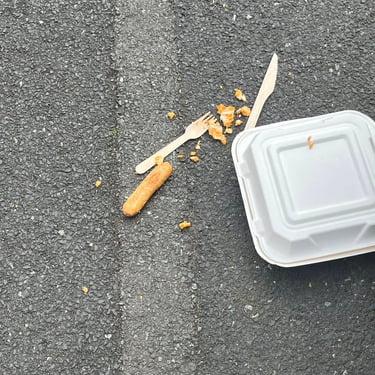
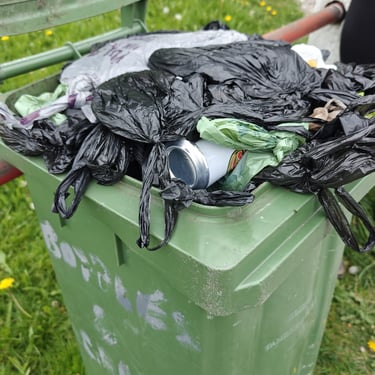
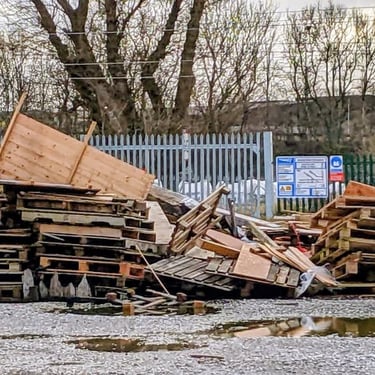

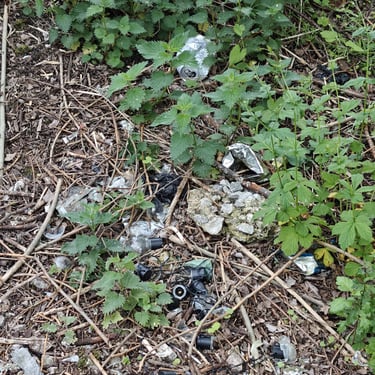


1. The "Expressway" to the Ocean
Pavements and roads are engineered for one thing: getting water away from our homes as fast as possible. They are designed to be "slick." When it rains, the street doesn't just get wet; it becomes a conveyor belt.
Street litter doesn't stay put. It’s washed directly into storm drains. Most people assume there is some kind of magical filter at the bottom of those metal grates that catches the crisp packets and cigarette butts.
The Filter Myth: The vast majority of storm drains lead directly into local ecosystems—like the River Tame or our canal systems—with zero filtration. That plastic bottle dropped on the main road today could be in the guts of a river bird by tomorrow morning.
2. The "Grinder" Effect
On a field, a plastic tub might sit for decades, slowly becoming brittle. On a road, that process is accelerated by thousands of pounds of pressure.
Every time a car or a bus rolls over a piece of street litter, it acts like a mechanical pestle and mortar. This is the "Grinder Effect."
Intact plastic becomes shards.
Shards become primary microplastics.
By the time that plastic reaches the storm drain, it has been ground down into tiny, invisible grains that are impossible to retrieve. Once they hit the water, they are there forever.
3. Immediate vs. Slow Poison
There is a fundamental difference in how these environments "breathe."
In the Field: Rubbish is a "slow poison." It smothers the soil, prevents worms from aerating the earth, and blocks wildflowers (like our local bluebells) from reaching the light.
On the Street: Rubbish is an "immediate mechanical hazard." It blocks drains, causing localized flooding, and creates a toxic slurry that leaches chemicals into the grit and dust we (and our pets) walk through every day.
The "Healer" Perspective
Cleaning up a street can feel like a thankless task.
But every piece of plastic you lift from the pavement is a victory against the "Expressway." You aren't just tidying a cul-de-sac; you are protecting the River Tame, saving a dog's paws from the "Grinder," and stopping a cycle of neglect before it hits the water.
Whether it’s an ancient bag of worms in the soil or a fresh bottle in the gutter, the work matters.